The best workplaces feel intuitive. People can find a quiet place when they need concentration, come together without disrupting others, and move through the day without the space getting in the way.
That experience is not created by one dramatic gesture. It comes from many connected decisions about planning, acoustics, light, furniture, technology and identity. A people-first brief gives those decisions a shared direction.
Begin with behaviour, not furniture
A productive brief starts by understanding how a team works now and how it wants to work next. Which conversations are planned? Which happen spontaneously? Where does sensitive work take place? When do teams need to gather, and when do individuals need to step away?
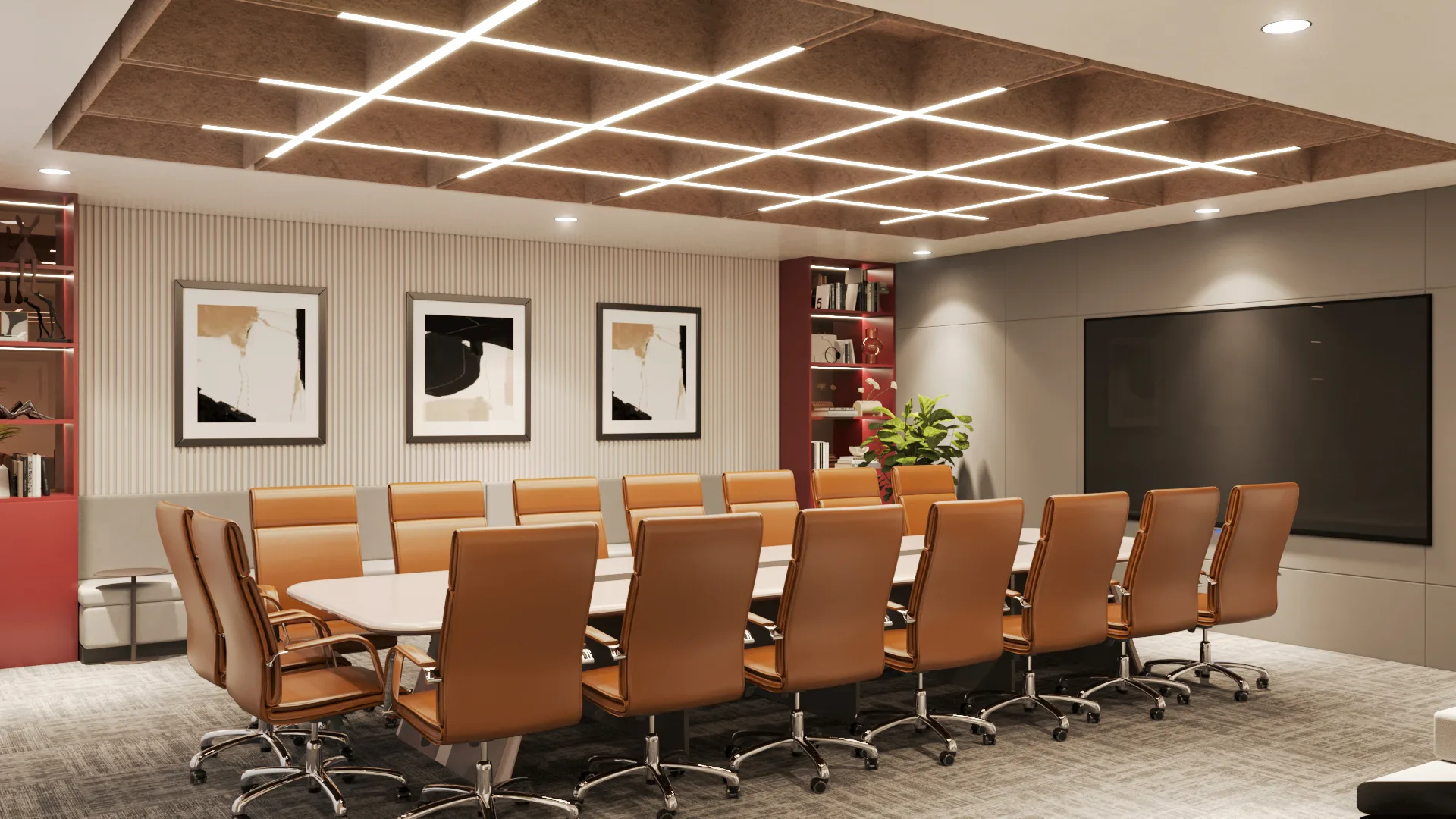
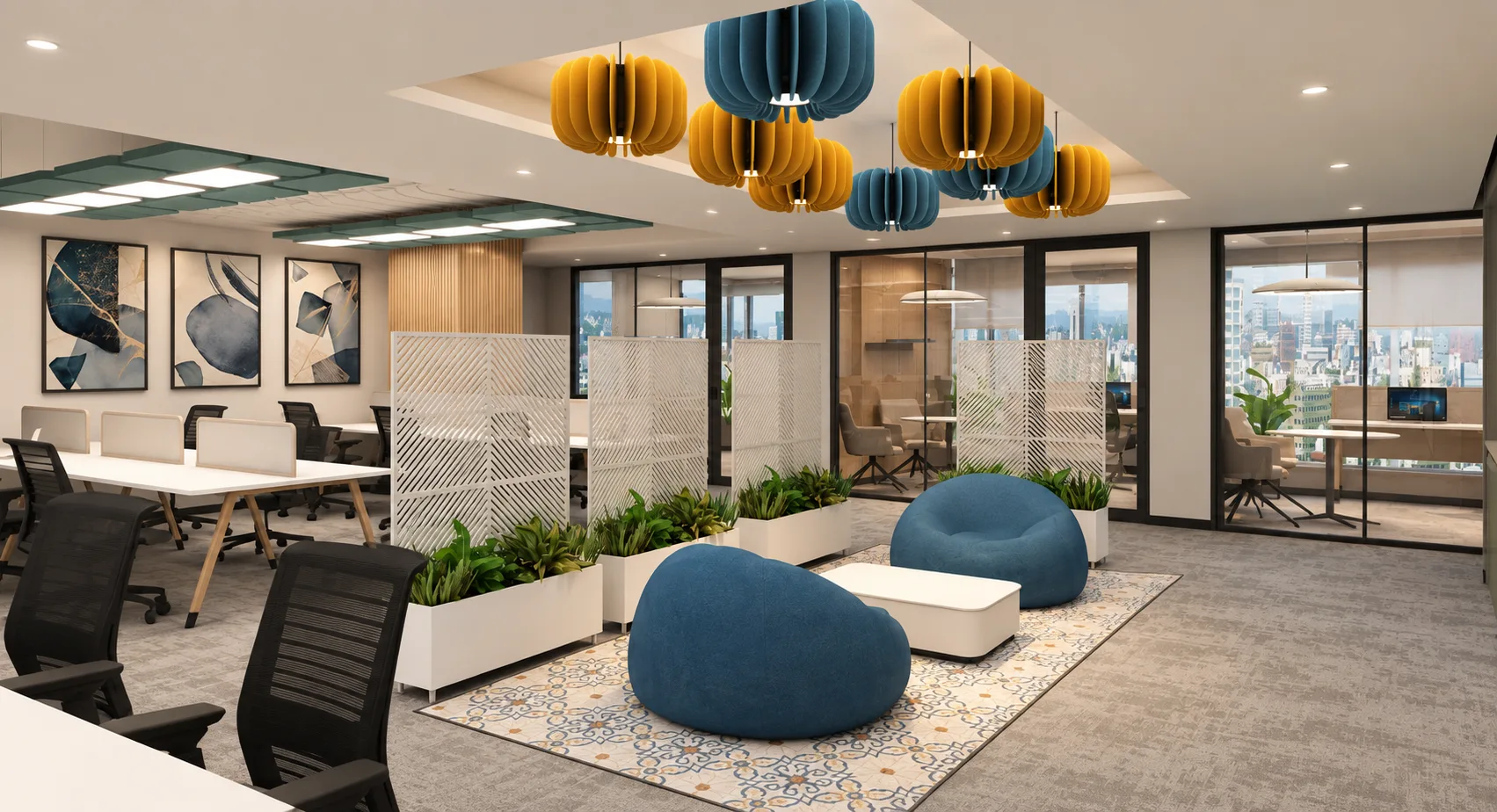
These questions reveal the mix of settings a workplace needs. Desks are only one part of that mix. Focus rooms, project tables, informal touchdown points, meeting spaces and restorative corners each support a different moment in the day.
Create a clear rhythm of energy and quiet
Open space works best when it has a legible rhythm. Active settings can sit near arrival points, shared amenities and principal routes, while concentration zones are placed away from recurring movement and sound.
Transitions matter too. Storage, planting, screens and enclosed rooms can create soft buffers instead of abrupt boundaries. The result feels connected without making every activity visible or audible from everywhere.
Design for change from day one
Teams grow, technology changes and working patterns evolve. A rigid plan can become expensive long before its finishes wear out. Regular structural bays, reusable partitions, accessible services and furniture that can be recombined make future changes easier.
Adaptability does not mean a workplace should feel temporary. It means the permanent layers are planned carefully and the changeable layers are allowed to move. That distinction supports both a strong identity and a longer useful life.